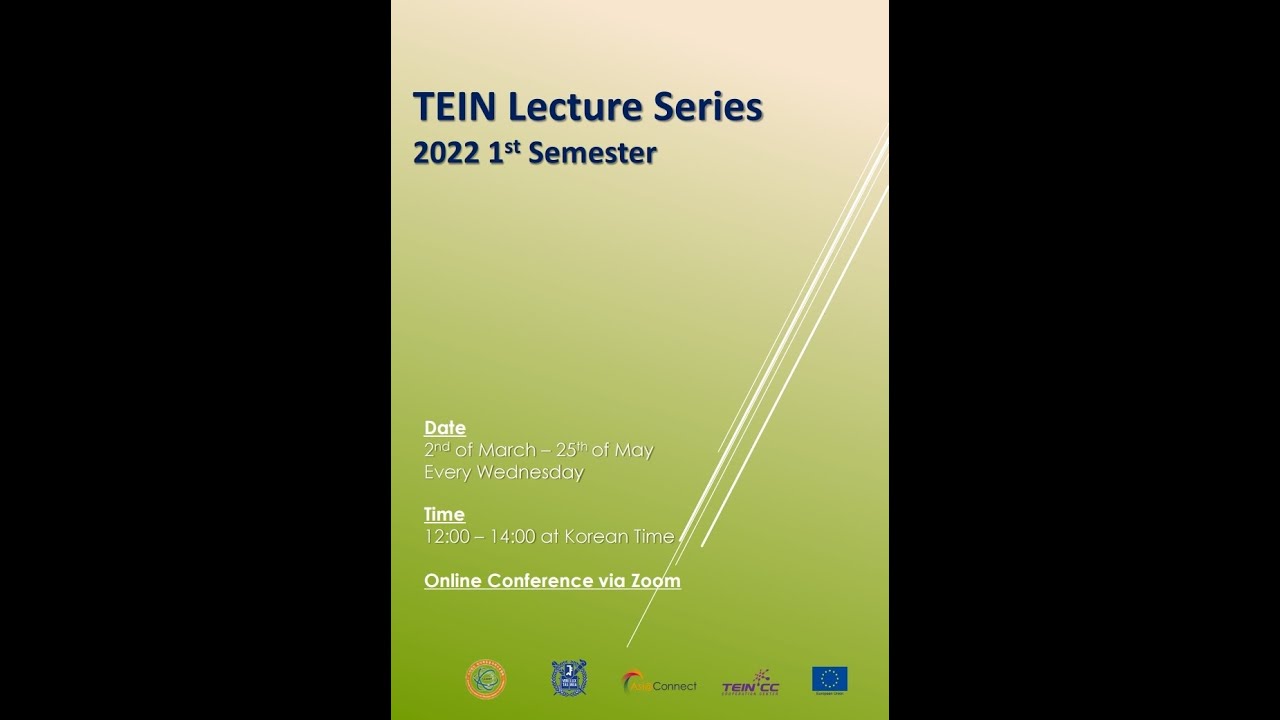
Targeted Cancer Treatments(TEIN Lecture Series 2022 1st)
Keywords
Summary
158 words
Critical Evaluation
Value of the Information & Strength of the Argument
The lecture provides a solid introduction to targeted cancer therapies, systematically covering key concepts and mechanisms. It explains the rationale behind targeting specific molecules and presents both the benefits and drawbacks of different approaches. The argumentation is logical, moving from general principles to specific examples, and includes clinical context such as the use of rituximab and trastuzumab. However, the presentation is somewhat superficial, lacking depth in molecular details and clinical trial data. The speaker occasionally makes statements without strong evidence, and the informal style may reduce perceived rigor.
Scientific Rigor, Source Quality, Title Accuracy
The lecture is scientifically sound in its core content, but it lacks explicit citations to primary literature. The speaker references some drugs and mechanisms but does not provide specific studies or sources. The title accurately reflects the content, and the lecture is appropriate for a general medical audience. The absence of detailed references limits its utility for advanced researchers, but it serves as a good educational resource. The speaker’s affiliation with a university hospital adds credibility, but the lack of formal citations is a weakness.
188 words
Title / Content Match
The title accurately reflects the content, which focuses on targeted cancer treatments.
Quality & Reliability
7/10
The lecture provides a comprehensive overview of targeted cancer therapies, covering mechanisms, drug classes, and clinical examples. It is presented by a medical professional from a university hospital, lending credibility. However, it lacks detailed citations and specific data, and the transcription contains errors and informal language.
Key Moments
Markers derived by PSI from the transcript: the creator did not define chapters.
- Introduction to targeted therapy and precision medicine
- Overview of tumor microenvironment and potential targets
- Explanation of growth factor receptors and kinases as targets
- Discussion of monoclonal antibodies: mechanism and examples
- Kinase inhibitors: types, mechanisms, and resistance
- Cell signaling pathways and their role in cancer
- Clinical applications and limitations of targeted therapies
Contribution & Novelties
The lecture provides a comprehensive overview of targeted cancer therapies, synthesizing information on monoclonal antibodies and kinase inhibitors. It highlights the importance of understanding the tumor microenvironment and the various molecular targets. The discussion of drug resistance and practical considerations adds value. For further exploration, the following resources are recommended:
- National Cancer Institute - Targeted Therapy — Official overview of targeted therapy.
- Monoclonal Antibodies - Wikipedia — Detailed explanation of monoclonal antibodies.
- Kinase Inhibitors - Wikipedia — Overview of kinase inhibitors and their mechanisms.
84 words
Radar Profile
The radar profile shows high scores in quantity and quality of information, with moderate technical level and reliability. This indicates a well-structured educational lecture that is accessible but not deeply technical.