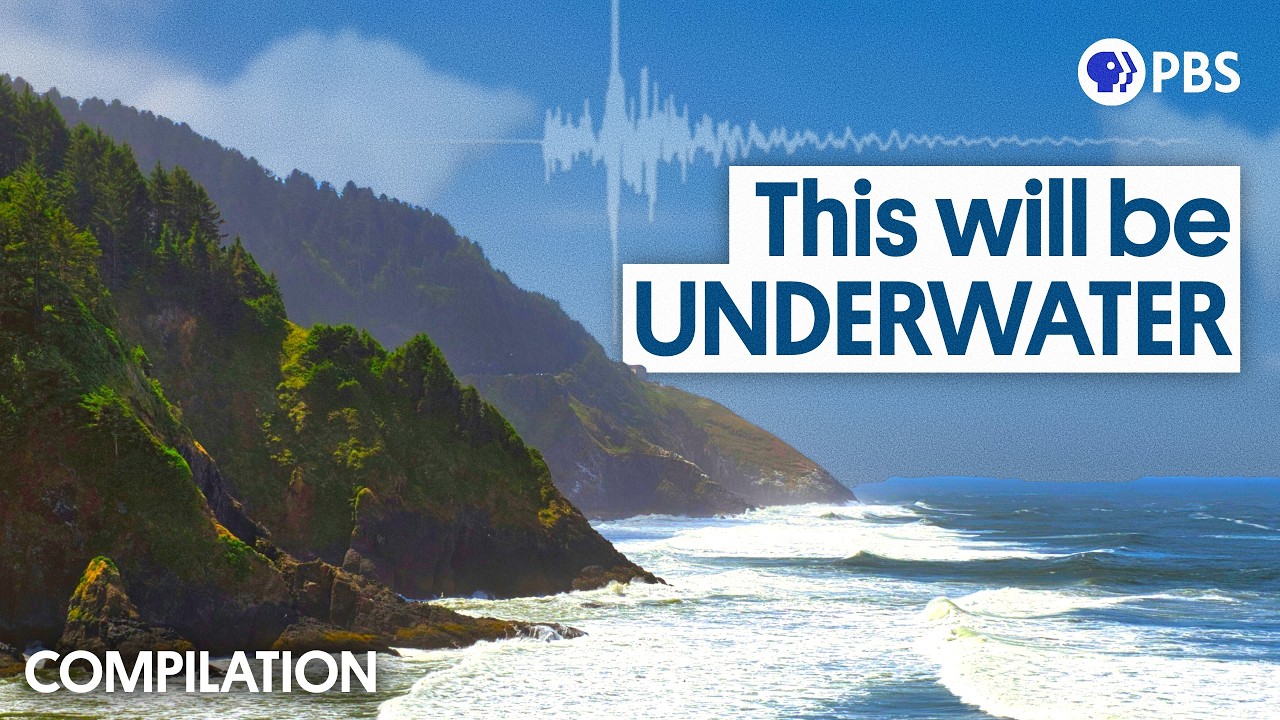
The Cascadia Megaquake Is Inevitable. And It Will Reshape America Forever
Keywords
Summary
131 words
Critical Evaluation
Value of the Information & Strength of the Argument
The video provides a high value of information by synthesizing scientific research, expert interviews, and practical advice. The argumentation is solid, based on geological evidence, historical records, and modeling. The narrative is compelling, moving from the scientific background to the human story of the 1700 earthquake and then to actionable preparedness steps. The inclusion of experts like Chris Goldfinger and David Yamaguchi adds credibility. The video effectively communicates the urgency of the situation without resorting to fear-mongering, instead focusing on preparedness and resilience.
Scientific Rigor, Source Quality, Title Accuracy
The scientific rigor is high, with information sourced from peer-reviewed studies and expert interviews. The video clearly distinguishes between established facts (e.g., the 1700 earthquake) and probabilities (e.g., the 37% chance). The title is accurate and not sensationalized. The description provides links to PBS and a playlist, but no direct citations to scientific papers are given. The content is well-researched and presented in an accessible manner, maintaining scientific integrity.
167 words
Title / Content Match
The title accurately reflects the content, which focuses on the inevitability of the Cascadia megaquake and its potential impact on the Pacific Northwest.
Quality & Reliability
8/10
The video is a compilation of three PBS Terra episodes, featuring interviews with recognized experts (geologists, paleoseismologists, engineers) and presenting peer-reviewed research (e.g., the 1700 earthquake date). The content is well-structured and scientifically accurate, though it simplifies some complex topics for a general audience.
Chapters
Cited Sources
- PBS Donate Terra — Link to support PBS Terra and its content.
- PBS Earth Month Playlist — Playlist of related PBS Earth Month content.
Concurring Sources
- USGS Cascadia Subduction Zone — USGS provides authoritative information on the Cascadia subduction zone, confirming the earthquake hazard and probability estimates.
Contribution & Novelties
The video’s original contribution lies in its comprehensive compilation of scientific findings, historical detective work, and practical preparedness advice in a single, accessible format. It highlights the interdisciplinary nature of the research, combining geology, dendrochronology, and historical records. The segment on the ghost forest and the Japanese monk records is particularly compelling, showcasing a unique scientific investigation.
Pour aller plus loin :
- Cascadia subduction zone — Overview of the tectonic setting and earthquake history.
- 1700 Cascadia earthquake — Details on the evidence and dating of the last major event.
- Tsunami evacuation tower — Information on vertical evacuation structures.
- Drop, Cover, and Hold On — Official guidance on earthquake safety.
109 words
Radar Profile
The radar profile shows high scores in quantity of information, quality of information, and technical level, indicating a dense and well-researched video. The reliability score is also high, reflecting the use of expert sources and scientific evidence. The overall profile suggests a highly informative and credible production.
💬 Équilibré. Sur les 30 commentaires analysés, les réactions sont majoritairement positives, avec des témoignages personnels d'expériences sismiques et des remerciements pour la qualité de l'information, bien que certains expriment des inquiétudes sur la préparation et l'infrastructure.