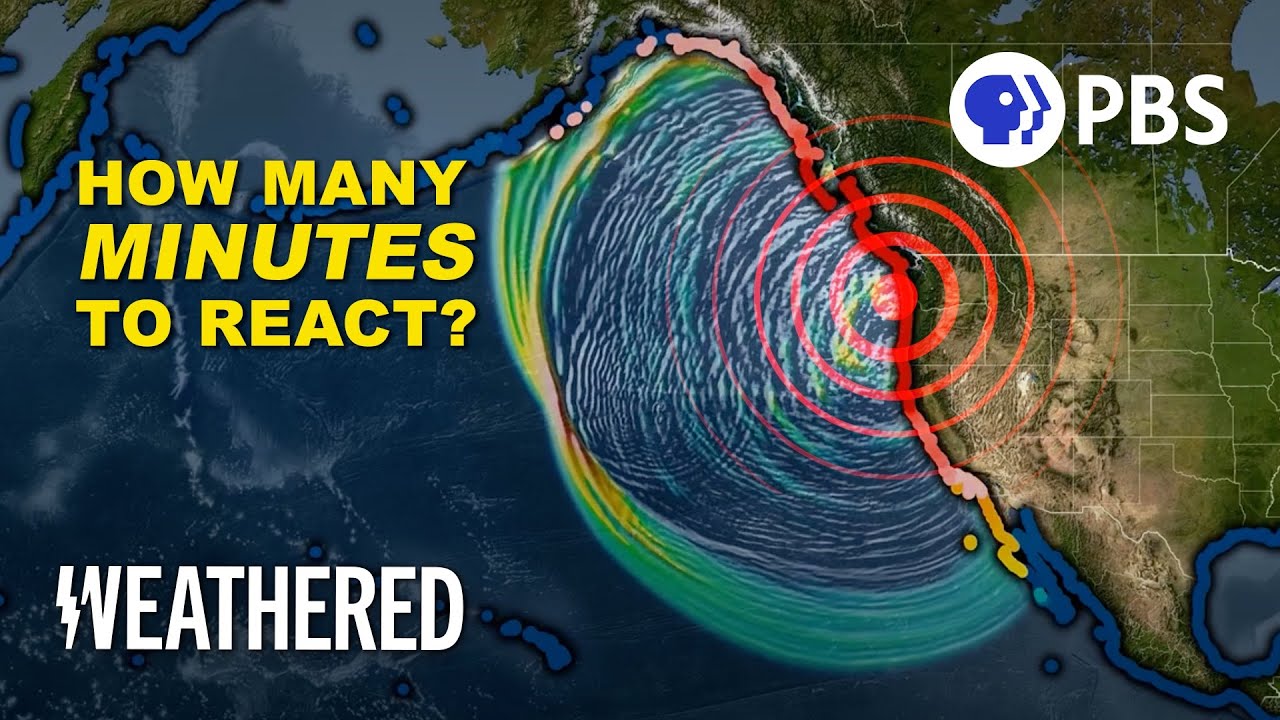
What's the ONE THING You Can Do To Survive a Tsunami? Cascadia Subduction Zone
Keywords
Summary
165 words
Critical Evaluation
Value of the Information & Strength of the Argument
The video provides valuable information by clearly explaining the science of tsunamis and the specific risks of the Cascadia Subduction Zone. It effectively argues that reaction time is the most critical factor for survival, supported by expert interviews and historical examples. The argumentation is solid, using scientific evidence and expert opinions to build a compelling case for proactive preparedness. The inclusion of practical tools like evacuation maps and the discussion of vertical evacuation structures adds tangible value for viewers in at-risk areas.
Scientific Rigor, Source Quality, Title Accuracy
The scientific rigor is high, with accurate explanations of plate tectonics, tsunami generation, and the historical record of the 1700 Cascadia event. The video cites expert interviews and references scientific models and historical data. The sources mentioned in the description, such as the tsunami evacuation map and related episodes, are relevant and credible. The title accurately reflects the content, focusing on the key survival factor. The video maintains a high standard of scientific accuracy while being accessible to a general audience.
178 words
Title / Content Match
The title accurately reflects the video's focus on the key survival factor (reaction time) for tsunamis in the context of the Cascadia Subduction Zone.
Quality & Reliability
8/10
The video presents scientifically accurate information about tsunamis and the Cascadia Subduction Zone, supported by expert interviews and references to historical events and modeling. The content is well-researched and aligns with current scientific consensus, though it simplifies some complex topics for a general audience.
Key Moments
Markers derived by PSI from the transcript: the creator did not define chapters.
- Introduction to tsunamis and the Cascadia Subduction Zone threat.
- Explanation of how subduction zone earthquakes generate tsunamis.
- Historical evidence of the 1700 Cascadia earthquake and tsunami.
- Discussion of tsunami speed and behavior, including the 'fast receding tide' phenomenon.
- Introduction of reaction time as the key survival factor and the need for pre-planned evacuation.
- Overview of vertical evacuation structures and the example at Hatfield Marine Science Center.
- Practical preparedness tips and concluding message on taking action.
Cited Sources
- Tsunami Evacuation Map for Oregon and Washington — Mentioned in the video as a tool for viewers to plan evacuation routes.
- Cascadia Megaquake Episode — Linked in the description as a related episode on the Cascadia earthquake.
- How to Survive the Megaquake Episode — Linked in the description as a related episode on surviving the megaquake.
Concurring Sources
- Tsunami Evacuation Map for Oregon and Washington — Provides practical evacuation planning information consistent with the video's recommendations.
External References
Contribution & Novelties
The video’s original contribution lies in its clear, accessible synthesis of tsunami science and preparedness, emphasizing the critical role of reaction time and the innovative solution of vertical evacuation structures. It effectively bridges scientific knowledge with practical advice for the public.
Pour aller plus loin :
- Cascadia subduction zone — Provides detailed geological background on the fault line and its history.
- Tsunami — General overview of tsunami causes, characteristics, and impacts.
- 2004 Indian Ocean earthquake and tsunami — Historical context for the deadliest tsunami in modern history, referenced in the video.
91 words
Radar Profile
The radar profile shows high scores across all dimensions, indicating a well-rounded and reliable educational video. The slightly lower score in 'niveau_technique' reflects its focus on accessibility rather than deep technical detail, but this does not detract from its overall quality.
💬 Très positif. Sur les 30 commentaires analysés, les spectateurs expriment une grande appréciation pour le contenu informatif et la sensibilisation, partagent des expériences personnelles et des conseils pratiques, et soulignent l'importance de la préparation.